Showing posts with label Angela Griffin. Show all posts

Saturday, October 25, 2014

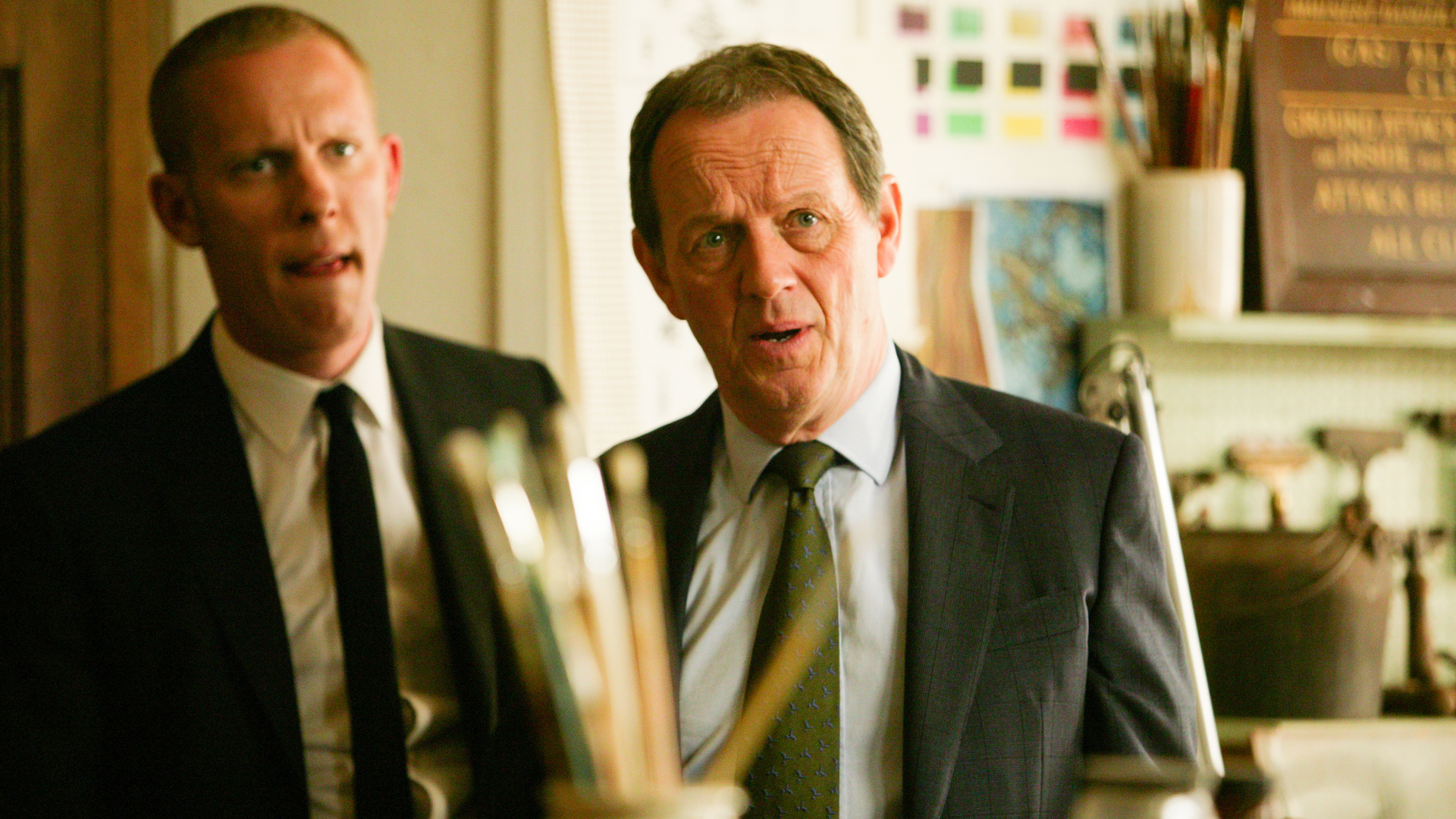
Inspector Lewis - Beyond Good and Evil - Episode Review

My review of last week's episode: The Lions of Nemea

Need a MacGuffin to inject drama into your season finale? Add a serial killer with a grudge against your hero!

Let's face it, the story is pretty clichéd, but psychopaths have a way of upping the tension in any story, and it's no different in Beyond Good and Evil.

Graham Lawrie, a Scotsman with a rictus of a face, has been in prison for thirteen years. A newly minted Inspector Robbie Lewis put him away in 2001 for allegedly murdering three policeman with a hammer. Now, fresh evidence has cast the verdict into question, and another murder with an identical method adds further force to Lawrie's appeal.

Thursday, October 16, 2014

Inspector Lewis - Lions of Nemea - Episode Review


Murder in Oxford! Panic in the streets!

Well, British panic—which means we’re suitably upset about the whole thing but couldn’t we hush it up quietly?

This Lewis episode brings us back to the heart of England’s deadliest city when Rose Anderson, a graduate in classics, is found stabbed to death alongside a canal.

Tuesday, October 14, 2014

Inspector Lewis - Entry Wounds - Episode Review


Sidekick promotion has always proved somewhat of a stickler for long-running detective shows. There’s some reshuffling of authority, which can often produce manufactured drama. In Morse the transition was rocky, as an ailing Morse had so little confidence in his sergeant’s abilities that he shadowed him incognito, much to Lewis’s dismay.


This time around, Superintendent Innocent has recruited a retired Robbie Lewis as back-up for newly promoted D.I. Hathaway. Hathaway is not too hip on this idea, and does his usual Brooding number. Unsurprisingly, we only get half a glimpse of his motivations, something involving doubts and faith and insecurity, probably, and also some trip to a church in Spain, and now he’s in a bad mood and nobody knows why, even him. Is this just me? It’s what makes the character interesting, but also frustrating—he is just sort of a vague intelligence without reality. Morse, on the other hand, was constantly displaying tangible flaws, and his existential ponderings had real weight because of it.